

Esports in 2026: The Rise of Competitive Gaming as a Global Sport
Esports in 2026: How Competitive Gaming Is Becoming the New Global Sport
The world of competitive gaming has evolved dramatically over the last decade. What was once considered a niche hobby has transformed into one of the fastest-growing entertainment industries on the planet. Today, esports attracts millions of viewers, fills massive arenas, and generates billions of dollars in revenue through sponsorships, broadcasting rights, merchandise, and tournament prize pools.
In 2026, esports is no longer simply an extension of gaming—it has become a legitimate global sport with professional organizations, dedicated training facilities, coaches, analysts, and passionate fan bases. The industry's rapid growth has captured the attention of investors, brands, media companies, and traditional sports organizations.
As technology continues to advance and gaming becomes increasingly mainstream, esports is positioned to become one of the defining forms of entertainment for the next generation.
The Evolution of Competitive Gaming
Competitive gaming has existed for decades, but the rise of high-speed internet and online multiplayer games completely changed the landscape.
In the early years, gaming competitions were often limited to local events and small communities. Today, tournaments are streamed globally and watched by millions of fans simultaneously.
Modern esports titles include:
- First-Person Shooters (FPS)
- Battle Royale Games
- Multiplayer Online Battle Arenas (MOBA)
- Sports Simulations
- Strategy Games
- Fighting Games
- Mobile Esports Titles
These games provide the foundation for professional competition and continue attracting new audiences worldwide.
Massive Prize Pools and Professional Careers
One of the biggest reasons esports has gained global attention is the amount of money involved.
Professional players can now earn income through:
- Tournament winnings
- Team salaries
- Sponsorship deals
- Streaming revenue
- Brand partnerships
- Merchandise sales
Top esports athletes have become celebrities within the gaming community, attracting millions of followers across social media platforms.
For many young gamers, professional gaming is no longer a dream—it is a realistic career path supported by structured organizations and growing industry investment.
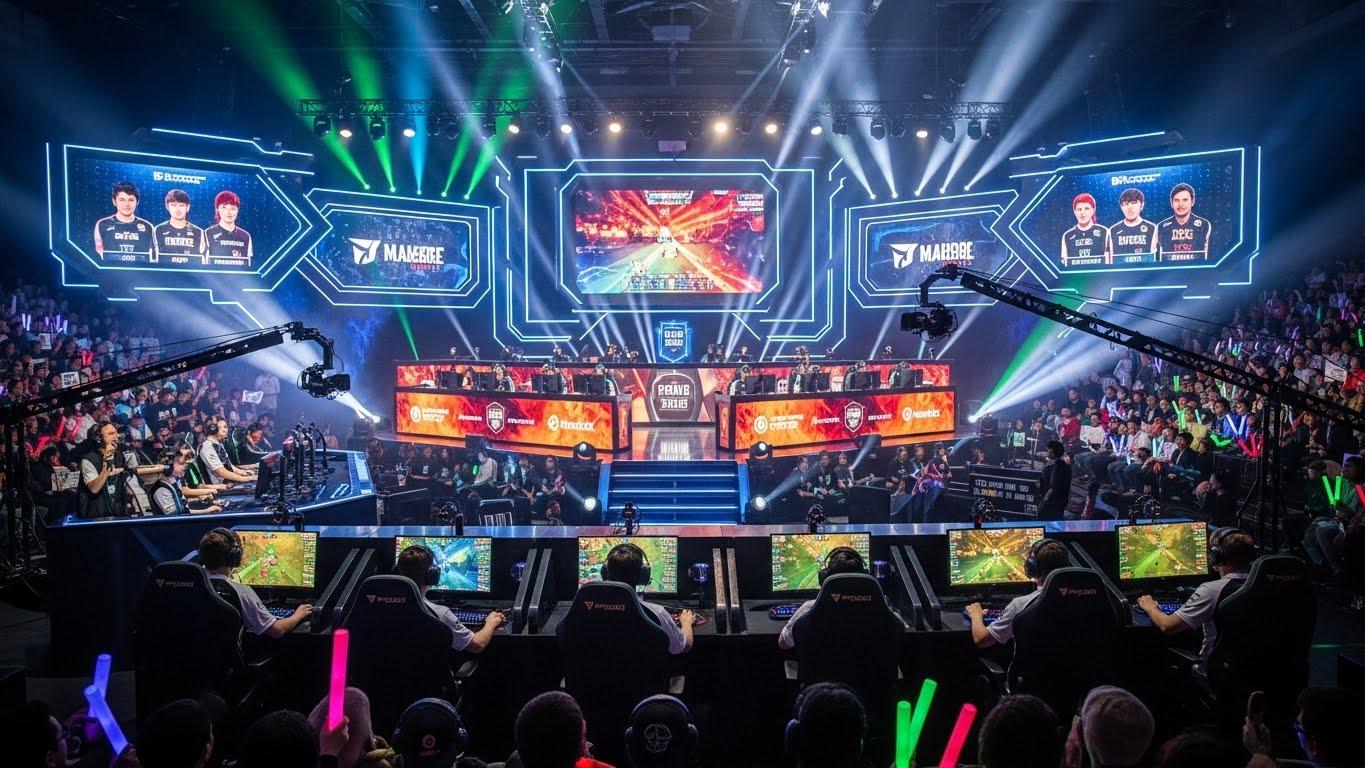
Esports Arenas Are Filling Worldwide
Traditional sports have stadiums. Esports now has arenas.
Major tournaments regularly sell out large venues across North America, Europe, Asia, and the Middle East. Fans travel internationally to watch their favorite teams compete on the biggest stages.
These events feature:
- Professional production quality
- Live commentary
- Interactive fan experiences
- Opening ceremonies
- Team presentations
- Real-time audience engagement
The atmosphere often rivals that of major sporting events, creating unforgettable experiences for both players and spectators.
Streaming Platforms Drive Growth
One of the key reasons for esports' success is accessibility.
Fans can watch tournaments from anywhere in the world through platforms such as:
Unlike traditional television broadcasts, streaming allows viewers to interact directly with content creators, teams, and communities.
This direct connection helps esports maintain highly engaged audiences while creating opportunities for players and organizations to build loyal fan bases.
Mobile Esports Is Exploding
While PC gaming remains a major esports platform, mobile gaming is rapidly expanding the competitive scene.
Smartphones have become powerful enough to support highly competitive multiplayer experiences. This has opened esports opportunities to millions of players who may not own gaming PCs or consoles.
Mobile esports growth is particularly strong in:
- India
- Southeast Asia
- Middle East
- Latin America
As smartphone technology continues improving, mobile tournaments are expected to become even more competitive and widely viewed.
Technology Is Making Esports Better
Technology plays a crucial role in the evolution of esports.
Several innovations are transforming competitive gaming:
Artificial Intelligence
AI is improving:
- Match analysis
- Player performance tracking
- Team strategy development
- Tournament management
High-Speed Internet
Faster connections reduce latency and provide smoother gameplay experiences.
Cloud Gaming
Cloud platforms are making competitive gaming more accessible by reducing hardware requirements.
Advanced Analytics
Teams now use detailed statistics and performance data to improve player development and tactical decision-making.
These innovations help esports organizations operate more like professional sports teams.
Brands Are Investing Heavily
Major global brands are increasingly entering the esports industry.
Companies recognize that gaming audiences represent one of the most valuable and engaged demographics in entertainment.
Sponsors now support:
- Professional teams
- Tournament organizers
- Streaming personalities
- Content creators
- Gaming events
This investment provides financial stability while helping esports continue expanding globally.
The Rise of Esports Education
Universities and educational institutions have started embracing esports.
Many schools now offer:
- Esports scholarships
- Competitive gaming programs
- Broadcasting courses
- Game development education
- Event management training
These programs help create career pathways not only for players but also for coaches, analysts, commentators, marketers, and event organizers.
The ecosystem surrounding esports continues to grow far beyond competitive gameplay itself.
Why Young Audiences Love Esports
Modern audiences connect with esports differently than traditional sports.
Esports offers:
- Constant interaction
- Digital accessibility
- Community engagement
- Streaming culture
- Social media integration
Fans can communicate directly with players, watch live streams, and participate in online communities throughout the year.
This level of accessibility creates stronger connections between fans and their favorite teams.
The Future of Competitive Gaming
The future of esports looks incredibly bright.
Experts expect continued growth in:
- Global tournament viewership
- Prize pool sizes
- Team valuations
- Mobile esports participation
- Sponsorship investment
- International leagues
Emerging technologies such as Virtual Reality, Augmented Reality, and AI-driven broadcasting may further transform how fans experience competitive gaming.
The next decade could see esports become one of the largest entertainment industries in the world.
Final Thoughts
Esports has successfully evolved from small gaming competitions into a global sporting phenomenon.
With professional teams, massive tournaments, growing sponsorship investments, and millions of passionate fans, competitive gaming is now firmly established as a major force in modern entertainment.
As technology advances and gaming continues reaching new audiences, esports is likely to become even more influential, creating opportunities for players, organizations, brands, and fans around the world.
For gamers everywhere, the future of competitive gaming has never looked more exciting.